
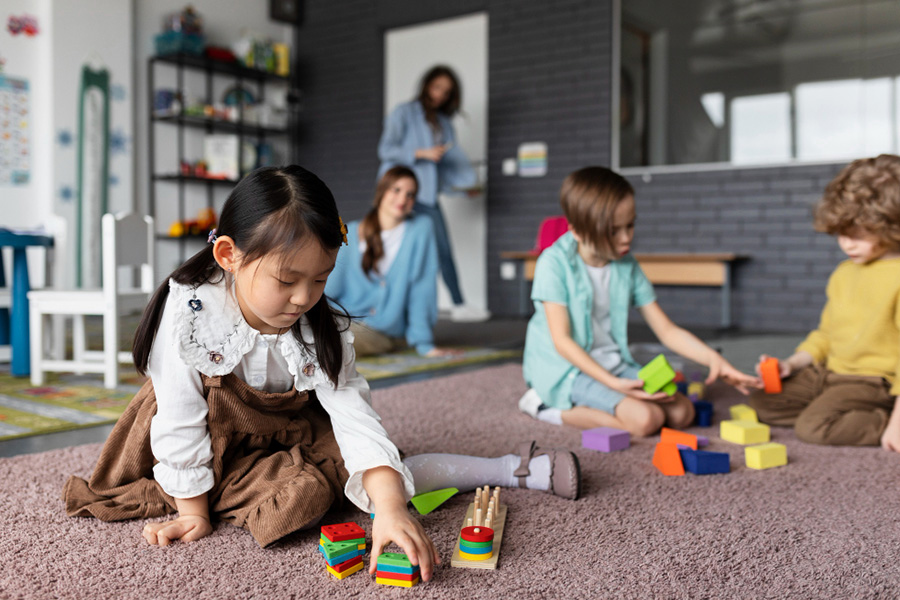
The early years of a child’s life are filled with discovery. It is a time when children begin to understand who they are, how they relate to others, and how the world around them works. A well-designed early years setting plays a vital role in guiding this development in a way that feels natural, supportive, and inspiring.
A calm and welcoming environment helps children settle quickly and feel secure. Familiar routines, caring staff, and spaces designed specifically for young learners allow children to focus on play, exploration, and connection rather than uncertainty. Feeling safe is the first step towards meaningful learning.
Learning that feels natural
Young children learn best through experience. Play-based activities such as storytelling, creative arts, building, music, and outdoor exploration encourage children to develop language, coordination, and problem-solving skills without pressure. These activities are carefully planned to support development, even when learning feels effortless to the child.
A high-quality setting recognises that every child is different. Observing interests and abilities allows practitioners to adapt activities so each child is supported and challenged appropriately.
Building social skills and emotional awareness
Early years education is where children begin learning how to interact with others. Sharing, taking turns, expressing feelings, and understanding boundaries are all essential skills developed during this stage. Gentle guidance from trusted adults helps children navigate these moments and build emotional resilience.
These early social experiences support confidence and empathy, skills that benefit children well beyond the early years.
Encouraging independence
Small moments throughout the day help children become more independent. Choosing activities, helping with everyday tasks, and caring for personal belongings all contribute to self-belief. When children are encouraged to try for themselves, they gain confidence in their own abilities and decisions.
Partnering with families
Open and honest communication with families helps create consistency between home and the early years setting. Sharing updates, progress, and observations allows parents to feel involved and reassured, while also supporting children through a unified approach to care and learning.
For families exploring early education options in central London, knightsbridge kindergarten provides an example of an environment that prioritises care, development, and wellbeing during these important early years.
Laying strong foundations
The experiences children have in their early years influence how they approach learning and relationships in the future. A nurturing, well-structured setting helps children develop confidence, curiosity, and emotional security that stays with them as they grow.
Choosing the right early years environment is about more than preparation for school. It is about giving children the strongest possible start in life.