
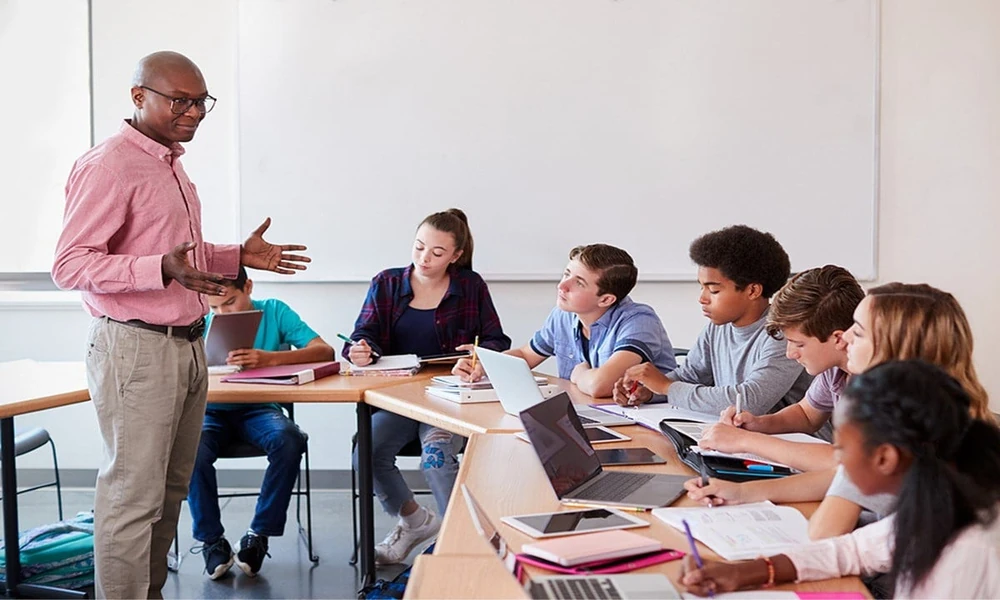
Meaningful education supports more than strong results in classroom subjects. Within ib schools thailand learners can build academic understanding while developing personal qualities through daily study. Lessons may encourage careful thinking plus responsible decision making. Classroom discussions also give young learners space to express clear opinions. Shared tasks teach cooperation while individual work develops personal responsibility. Together, these parts create a balanced learning process that supports growth beyond examinations.
Linking Lessons with Daily Growth
Classroom knowledge becomes more useful when learners understand its wider purpose.Subjects can teach academic ideas while also improving patience or responsibility.
Regular assignments help young learners organise thoughts before completing each task.This connection makes personal growth a natural part of everyday education.
Personal Qualities Developed Through Learning
School activities can shape useful personal qualities through regular participation.Different tasks give learners practical situations where these qualities can develop.
- Independent assignments encourage responsibility through careful planning of daily study.
- Classroom discussions strengthen confidence when learners express thoughtful personal opinions.
- Shared projects develop cooperation through respectful communication among different classmates.
- Research activities improve patience while learners examine information before responding.
- Creative assignments support flexible thinking when familiar answers seem unsuitable.
- Presentation tasks build clear speaking habits before different classroom audiences.
- Reflective exercises encourage learners to notice progress through honest self-assessment.
- Group responsibilities develop reliability through completing agreed classroom duties consistently.
Building Confidence Through Academic Practice
Confidence often develops through repeated practice rather than immediate success.Teachers can provide suitable tasks that allow learners to solve problems independently.
Clear feedback helps them understand where their work needs further attention.Gradual improvement can make difficult academic responsibilities easier to manage over time.
How Does Classroom Learning Shape Personal Growth Daily?
Classroom learning can influence personal growth through ordinary academic routines. Learners must manage deadlines or communicate ideas clearly. They also need to listen when another person presents a different opinion. These situations encourage patience plus careful judgment. Regular practice helps such qualities become part of normal behaviour rather than separate lessons taught occasionally.
Personal development also appears when learners review mistakes without avoiding responsibility. Teachers can guide this process through clear feedback. Students then identify areas that require more attention. Such reflection supports better choices during future assignments while encouraging a realistic understanding of individual progress.
Responsibility Beyond Written Schoolwork
Personal responsibility reaches further than completing homework or preparing for tests.Learners also need to respect shared spaces plus contribute fairly during group activities.
Daily responsibility can gradually support mature choices inside school and elsewhere.
Supporting Balanced Learner Development
A balanced education considers academic progress alongside social or personal development.Across ib schools thailand classroom routines may give learners opportunities to practise both areas together.
Careful communication can support relationships while organised study strengthens personal discipline.This balance helps young learners handle varied responsibilities without separating personal growth from education.
Student Development FAQ Questions
- Does personal development replace academic learning? No. Both areas can develop together.
- Do group activities help every learner? Different roles can support varied personal strengths.
- Should students always work independently? No. Shared learning also develops useful abilities.
- Does reflection improve classroom progress? It helps learners recognise areas needing attention.
- Can school routines build responsibility? Regular duties can strengthen dependable personal habits.
- Are mistakes useful during learning? Careful review can guide better future decisions.
Steady Progress Shapes Capable Learners
Strong education grows through repeated effort across lessons plus wider school responsibilities.Knowledge gains greater value when pupils apply sound judgment during ordinary situations.Personal maturity develops through reliable habits or respectful conduct over an extended period.Balanced teaching gives each learner practical room to strengthen both areas without forcing rapid change.Long term growth depends on consistent action plus careful follow-through rather than perfect performance.