
Top Tips for Helping Your Child with Maths
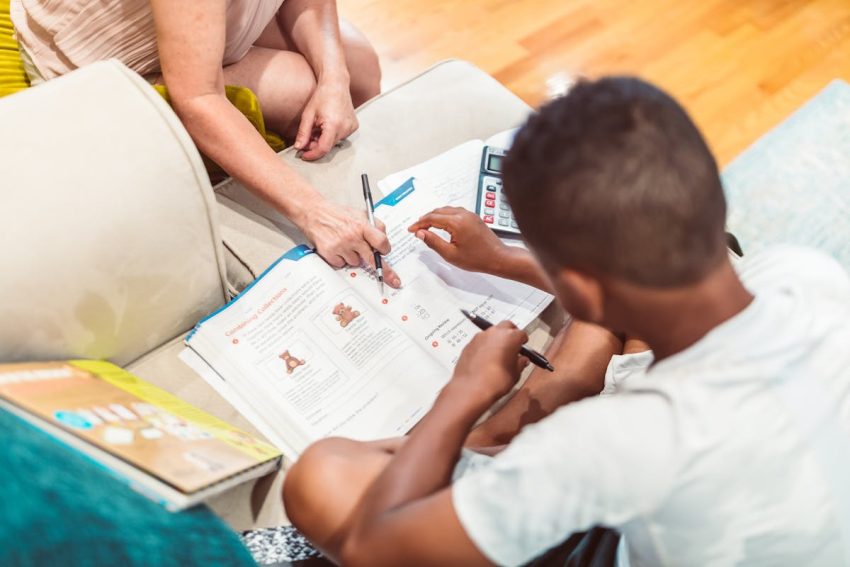
For many families, maths homework can feel like a daily battleground. Whether your child lacks confidence, feels overwhelmed, or simply says, “I’m just not good at maths,” the good news is that there are plenty of ways parents can help – without needing to be a maths expert themselves. With the right approach, maths can become far less stressful and even enjoyable.
Build Confidence Before Correctness
One of the biggest barriers to learning maths is anxiety. If a child believes they’re “bad at maths”, they may switch off before they even try. Focus on effort rather than results, and praise persistence as much as correct answers. Let your child know that making mistakes is part of learning – maths is about problem-solving, not perfection.
Keep Maths Practical and Relevant
Maths becomes much easier to grasp when children can see how it applies to real life. Involve them in everyday activities such as cooking (measuring ingredients), shopping (working out prices or change), or planning journeys (estimating time and distance). These small moments help children understand that maths is useful, not just something that happens in a classroom.
Encourage a Growth Mindset
Help your child understand that ability in maths isn’t fixed. Phrases like “You’ll get there with practice” or “Let’s try a different way” can make a huge difference. Avoid saying things like “I was never good at maths either,” as this can unintentionally reinforce negative beliefs. Instead, model curiosity and resilience when tackling problems together.
Break Problems into Manageable Steps
Maths can feel overwhelming when children try to tackle everything at once. Encourage them to slow down and break problems into smaller, more manageable steps. Ask them to explain their thinking out loud – teaching you their method often helps reinforce understanding and reveals where they might be getting stuck.
Make Practice Fun and Varied
Repetition is important in maths, but it doesn’t need to be dull. Games, puzzles, apps, and timed challenges can make practice feel more engaging. Board games involving counting, strategy, or money are particularly helpful for younger children. For older pupils, online quizzes or maths-based games can provide variety while reinforcing key skills.
Create a Calm Homework Routine
A consistent routine can make maths homework feel less daunting. Choose a quiet, distraction-free time and space, and keep sessions short and focused. If frustration starts to build, it’s often better to take a break and return later rather than pushing through and creating negative associations with maths.
Work with the School
If your child is struggling, don’t hesitate to speak with their teacher. They can offer insight into how maths is taught in class and suggest ways to support learning at home. Using the same methods and language as school helps avoid confusion and builds confidence.
Supporting your child with maths isn’t about having all the answers – it’s about encouragement, patience, and creating a positive learning environment. With steady support and a belief in their ability to improve, children can develop confidence in maths that will benefit them well beyond the classroom.